How to Design a Kid’s Bedroom That Grows with Your Child
A child’s bedroom is much more than a place to sleep. It’s where they dream, learn, play, read, create, and spend countless hours discovering the world around them. As they grow, their interests, hobbies, and daily routines change, which means their bedroom should be flexible enough to grow with them.
Many parents make the mistake of designing a room based only on their child’s current age or favourite cartoon character. While colourful themes and playful décor may look adorable today, children outgrow them surprisingly fast. Redesigning the entire room every few years can become expensive and time-consuming.
The smarter approach is to create a bedroom that evolves as your child grows. By choosing adaptable furniture, practical storage, timeless colours, and a flexible layout, you can create a space that remains functional, comfortable, and beautiful for years.
At CustomFurnish, we believe every child’s bedroom should inspire creativity while supporting their changing lifestyle. Whether you’re designing a nursery, a toddler’s room, or a teenager’s bedroom, thoughtful planning ensures the space continues to meet their needs without requiring frequent renovations.
Understand How Your Child Uses the Room
Before selecting furniture or colours, think about how your child will use the bedroom every day.
For younger children, the room is usually divided between sleeping and playing. As they begin school, studying becomes equally important. Teenagers may need additional storage, a larger study desk, or even a quiet corner for hobbies and creative activities.
Instead of designing only for today, plan for the next five to ten years.
Ask yourself questions like:
- Will they need more wardrobe space in a few years?
- Is there enough room for a study desk later?
- Can the bed be upgraded without redesigning the room?
- Will the storage still be sufficient as their belongings increase?
Answering these questions early helps create a bedroom that adapts naturally as your child grows.
Plan a Flexible Bedroom Layout
A well-planned layout forms the foundation of every successful kids’ bedroom.
Rather than filling every corner with furniture, leave open space that allows children to move freely, play safely, and rearrange the room as their needs change.
A practical layout usually includes three important zones:
Sleeping Zone
The bed should be positioned where it receives natural light without blocking windows or walkways. Leave enough space around the bed so the room feels open and comfortable.
Study Zone
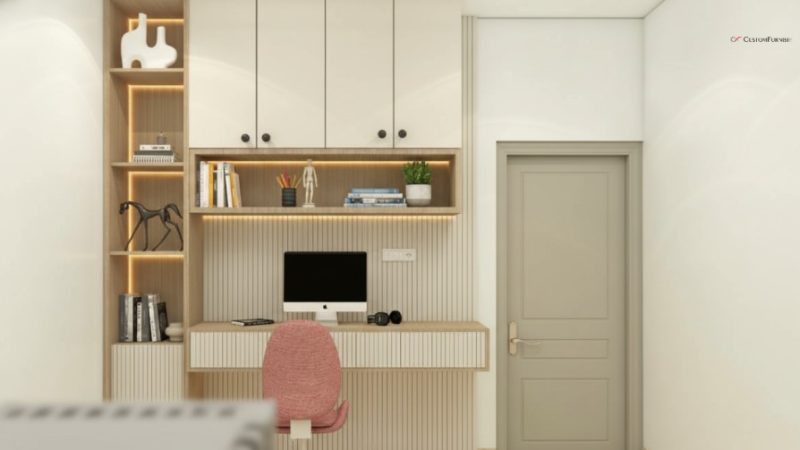
As children grow older, a dedicated study area becomes essential. Position the desk near a window whenever possible so it benefits from natural daylight, making reading and homework more comfortable.
Play Zone
Children need enough open floor space for toys, games, puzzles, and creative activities. Even if the room is compact, keeping the centre of the room open creates a more spacious feel.
Choose Furniture That Grows with Your Child
One of the best investments parents can make is choosing furniture that remains useful through different stages of childhood.
Instead of replacing furniture every few years, select timeless designs with adaptable features.
A single bed can later be upgraded with a larger mattress. Adjustable study desks provide better comfort as children grow taller. Spacious wardrobes with adjustable shelves continue meeting storage needs for many years.
Furniture with rounded corners, durable finishes, and easy maintenance is especially suitable for children’s rooms.
Quality furniture not only lasts longer but also reduces long-term costs.
Create Smart Storage Solutions
Children collect more belongings than most parents expect.
Books, toys, school supplies, clothes, sports equipment, art materials, puzzles, and collectibles all require proper organization.
Without adequate storage, even the most beautifully designed bedroom can become cluttered.
Consider including:
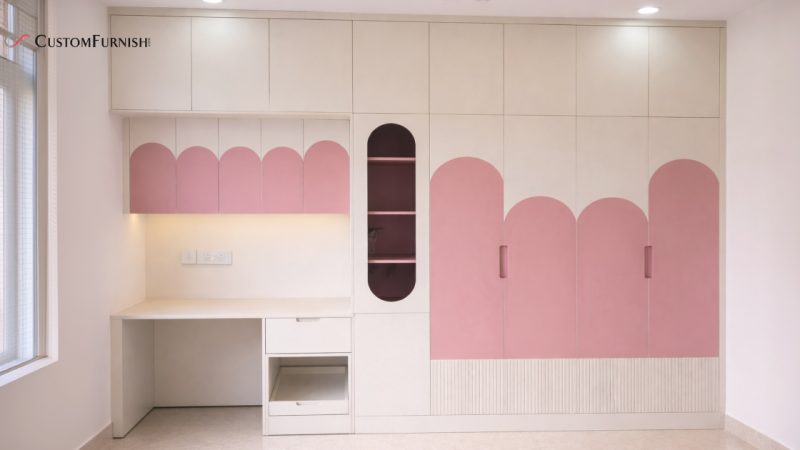
- Floor-to-ceiling wardrobes
- Toy storage drawers
- Open bookshelves
- Under-bed storage
- Floating shelves
- Built-in study storage
Keeping storage within your child’s reach also encourages them to develop independent organizing habits.
Choose Colours That Last Beyond Childhood
Bright colours certainly create cheerful bedrooms, but using too many bold shades can make the room feel overwhelming.
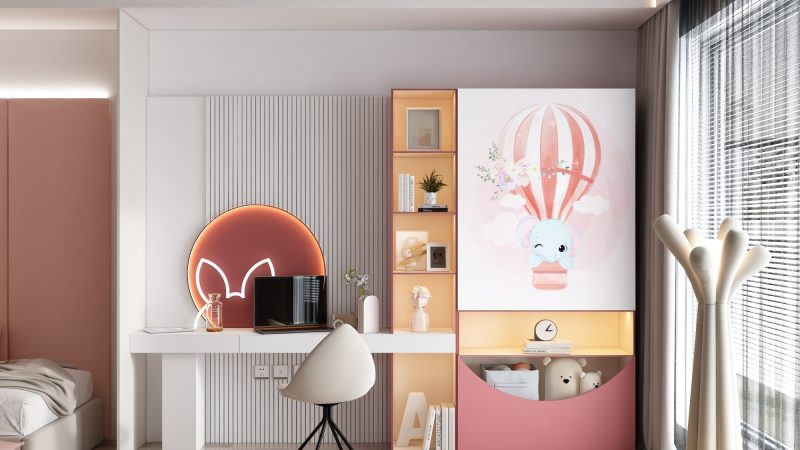
Instead, choose neutral wall colours as the base and introduce playful colours through cushions, rugs, curtains, artwork, wallpapers, or decorative accessories.
This approach makes it much easier to update the room as your child’s interests change.
Soft blues, sage greens, warm whites, pastel yellows, and earthy tones remain timeless while allowing colourful accents to bring energy into the space.
Designing Happy Spaces: Modern Kids Room Interior Design Guide
Make Safety a Priority Without Compromising Style
A beautifully designed kids’ bedroom should also be one of the safest rooms in your home. Children are naturally curious, and their bedroom should encourage exploration without unnecessary risks.
When selecting furniture, choose rounded edges instead of sharp corners to minimize injuries during play. Secure tall wardrobes and bookshelves to the wall to prevent tipping, especially if your child enjoys climbing. Soft-close drawers and wardrobe shutters are another smart addition, protecting little fingers from accidental pinches.
Flooring also plays an important role. Wooden flooring, laminate flooring, or anti-skid vinyl flooring provides a comfortable surface for children to crawl, play, and walk safely. Adding a soft rug beside the bed creates extra comfort while reducing the risk of slipping.
Electrical outlets should always be covered with childproof protectors, and loose wires should be concealed wherever possible. Choosing non-toxic paints, low-VOC finishes, and child-safe materials also helps create a healthier indoor environment.
A safe bedroom doesn’t have to look boring. With thoughtful planning, safety features can blend seamlessly into the overall design while maintaining a stylish appearance.
Layer Your Lighting for Every Activity
Lighting is often overlooked when designing children’s bedrooms, but it has a significant impact on both comfort and productivity.
Natural daylight should always be your primary source of lighting. Position the study table near a window whenever possible so your child benefits from daylight while reading or completing homework.
During the evening, use multiple lighting layers instead of relying on a single ceiling light.
General lighting provides overall brightness throughout the room, while a dedicated study lamp reduces eye strain during homework sessions. Soft bedside lamps or warm LED lighting create a calming atmosphere before bedtime, helping children relax after a busy day.
If your child enjoys reading before sleeping, adjustable wall-mounted reading lights are a practical addition that saves bedside table space while providing focused illumination.
A combination of natural and artificial lighting makes the bedroom comfortable throughout the day.
Decorate with Personality, Not Permanence
One of the easiest ways to create a memorable kids’ bedroom is by allowing your child’s personality to shine through the décor.
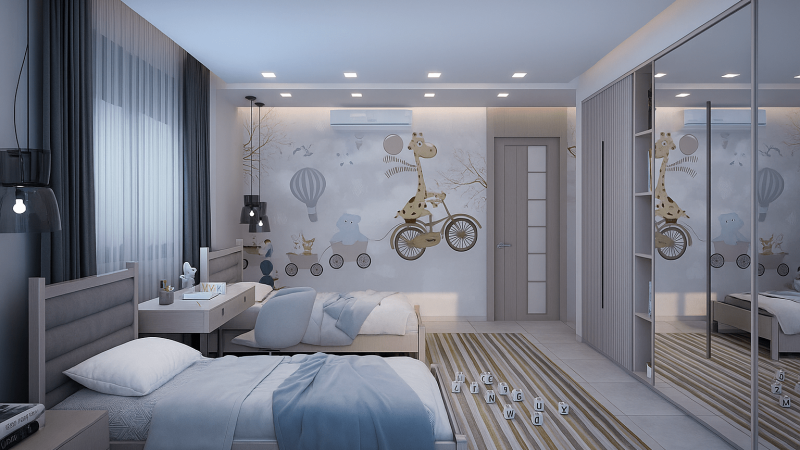
Instead of permanently painting cartoon characters or themed murals on every wall, choose a timeless base design and introduce personality through accessories that can be updated as your child grows.
Wall art, cushions, rugs, bedding, curtains, toy baskets, and decorative shelves can easily be replaced when interests change.
For younger children, playful animal prints, space themes, rainbows, or nature-inspired décor work beautifully. As they grow older, these elements can be replaced with sports, travel, music, or minimalist themes without redesigning the entire room.
This approach keeps renovation costs low while allowing the bedroom to evolve naturally over the years.
Common Mistakes Parents Should Avoid
Designing a kids’ bedroom requires balancing creativity with practicality. Unfortunately, many parents make decisions that seem exciting initially but become inconvenient later.
One common mistake is choosing furniture that’s too small or age-specific. While tiny beds and themed furniture may suit toddlers, children quickly outgrow them, resulting in unnecessary replacement costs.
Another mistake is focusing too heavily on decoration while overlooking storage. Toys, books, school supplies, clothes, and hobby materials increase every year, making smart storage essential.
Poor lighting, overcrowding the room with furniture, ignoring future study requirements, and selecting low-quality materials are other mistakes that often reduce the room’s functionality.
Planning for the future rather than the present helps avoid these challenges.
Expert Tips from CustomFurnish
At CustomFurnish, we believe a child’s bedroom should evolve as naturally as the child does.
Instead of designing separate bedrooms for different age groups, we create flexible spaces that adapt over time. Neutral wardrobes, modular furniture, adjustable study areas, and smart storage solutions allow the room to transition effortlessly from early childhood to the teenage years.
We also recommend investing in durable materials that can withstand everyday use while maintaining their appearance for years. A timeless design not only saves money but also ensures your child’s bedroom remains functional and stylish throughout every stage of growing up.
Conclusion
A child’s bedroom is much more than a room filled with colourful furniture and playful decorations. It’s a space where imagination grows, learning begins, friendships are built, and lifelong memories are created.
Designing a bedroom that grows with your child means thinking beyond today’s needs and planning for tomorrow’s possibilities. A flexible layout, adaptable furniture, practical storage, calming colours, layered lighting, and child-safe materials all contribute to creating a room that remains beautiful and functional for years.
Rather than redesigning the bedroom every few years, invest in timeless design choices that can easily adapt as your child develops new interests and responsibilities.
At CustomFurnish, we design kids’ bedrooms that combine creativity, safety, comfort, and functionality. Whether you’re planning a nursery, a playful bedroom for young children, or a stylish room for teenagers, our personalized interior solutions help create spaces that grow with your family while reflecting your child’s unique personality.
A thoughtfully designed kids’ bedroom isn’t just a place to sleep—it’s a place where dreams begin.
Frequently Asked Questions
1. What should every kids’ bedroom include?
A well-designed kids’ bedroom should include a comfortable bed, adequate wardrobe storage, a study area, open play space, proper lighting, and child-safe furniture that supports everyday activities.
2. Which colours are best for a kids’ bedroom?
Soft blues, sage greens, pastel yellows, warm whites, blush pinks, and earthy neutral shades create a cheerful yet calming atmosphere. Bright colours can be introduced through accessories instead of permanent wall finishes.
3. How can I design a kids’ bedroom that lasts for years?
Choose adaptable furniture, timeless colours, modular storage, and flexible layouts. Avoid highly themed furniture that children may outgrow quickly.
4. What type of wardrobe is best for a kids’ bedroom?
Floor-to-ceiling wardrobes with adjustable shelves are ideal because they provide maximum storage and can adapt as your child’s storage needs change over time.
5. How much storage does a child’s bedroom need?
The more organized the storage, the better. Include wardrobes, toy drawers, bookshelves, under-bed storage, and study organizers to keep the room tidy and functional.
6. What safety features should a kids’ bedroom have?
Choose rounded furniture corners, anti-tip wardrobes, child-safe electrical outlets, non-toxic paints, anti-skid flooring, and soft-close drawers to create a safer environment.
7. How do I make a small kids’ bedroom feel spacious?
Use light colours, multifunctional furniture, vertical storage, sliding wardrobes, mirrors, and keep the centre of the room open for play and movement.
8. Why choose CustomFurnish for kids’ bedroom interiors?
CustomFurnish designs personalized kids’ bedrooms that balance creativity, functionality, safety, and long-term flexibility. Our interiors are thoughtfully planned to grow with your child while making the best use of available space.