Best Interior Design Ideas for a More Organized Home
Does your home often feel crowded, even after cleaning and organizing? Many homeowners struggle with overflowing cabinets, messy countertops, and rooms that seem smaller than they actually are.
The problem isn’t always a lack of space. More often, it’s a lack of thoughtful planning.
Effective Home Interior Design really helps you shape functional spaces, where every little thing has a purpose, and nothing feels out of place. When you mix clever layouts with useful storage ideas and deliberate décor selections, your home can start to feel way calmer and more organized, not just visually but for your day-to-day routine.
Whether you’re in a cozy apartment or a roomy family house, a clutter-free design approach can sorta make your space feel larger, calmer, and way easier to keep up.
Why Clutter-Free Spaces Matter
Clutter affects more than the appearance of your home. It can influence your mood, productivity, and overall well-being.
A well-organized home offers several benefits:
- Creates a sense of calm and relaxation
- Improves focus and productivity
- Simplifies cleaning and maintenance
- Maximizes available space
- Enhances the functionality of each room
- Makes daily routines more efficient
According to the American Psychological Association, excessive clutter can contribute to increased stress levels and mental fatigue.
When your surroundings are organized, your home becomes a place to recharge rather than another source of stress.
Home Interior Design Principles for Clutter-Free Living
Creating a clutter-free home starts with intentional design choices rather than simply buying more storage containers.
Design Around Daily Habits
Before selecting furniture or accessories, think about how you use each room.
Ask yourself:
- What activities happen here every day?
- Which items need easy access?
- What commonly creates clutter?
For example, if your living room doubles as a workspace, include dedicated storage for office supplies instead of allowing them to accumulate on tables and shelves.
Designing around real-life habits creates spaces that naturally stay organized.
Invest in Hidden Storage Solutions
Hidden storage keeps essential items accessible without creating visual clutter.
Consider incorporating:
- Beds with built-in drawers
- Storage benches
- Lift-top coffee tables
- Built-in wardrobes
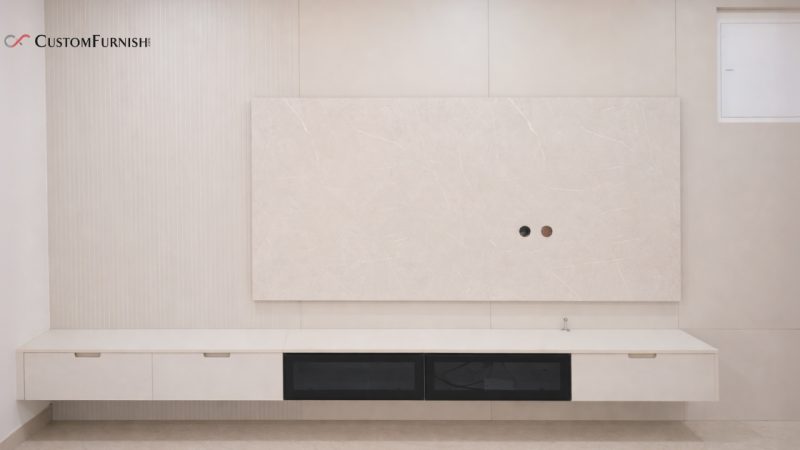
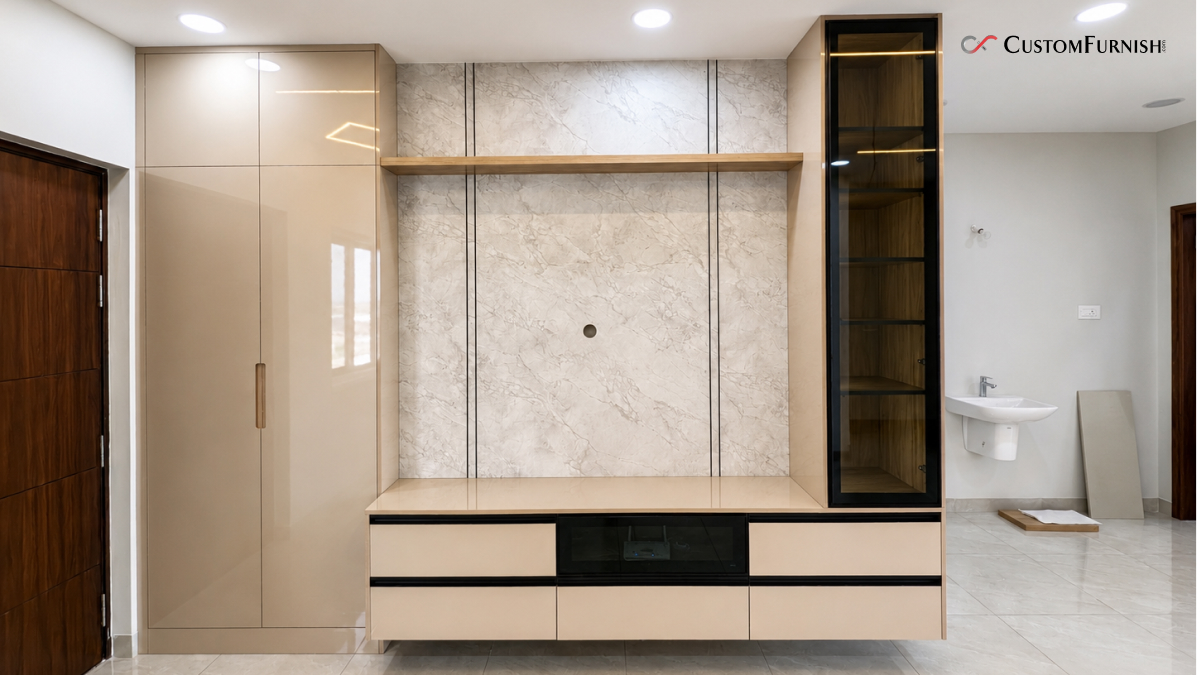
- Floating cabinets
- Under-stair storage
Built-in storage solutions maximize every inch of available space while maintaining a clean and streamlined appearance.
Choose Multi-Functional Furniture
Furniture that serves multiple purposes reduces the need for extra pieces.
Smart choices include:
- Sofa beds
- Extendable dining tables
- Nesting tables
- Wall-mounted desks
- Modular seating
- Ottomans with internal storage
Multi-functional furniture is especially useful in smaller homes where flexibility matters.
Maximize Vertical Space
Walls offer valuable storage opportunities that often go unused.
Use vertical space effectively with:
- Floor-to-ceiling shelving
- Wall-mounted cabinets
- Floating shelves
- Hanging organizers
- Pegboards for home offices
Vertical storage keeps floors clear and helps rooms feel more open.
Create Dedicated Storage Zones
One of the simplest ways to prevent clutter is assigning every item a permanent home.
Examples include:
- An entryway station for keys and bags
- Drawer dividers in the kitchen
- Toy storage bins in children’s rooms
- Cable organizers for electronics
When storage zones are clearly defined, tidying up becomes easier for everyone in the household.
Room-by-Room Ideas for an Organized Home
Living Room
The living room often becomes a catch-all space for daily items.
Keep it clutter-free by:
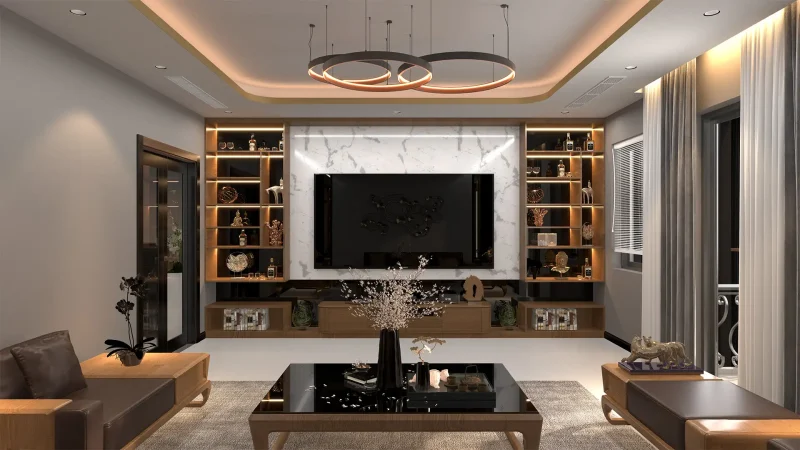
- Choosing furniture with built-in storage
- Limiting decorative accessories
- Using closed cabinets instead of open shelving
- Hiding electronic cables
- Maintaining clear walkways
A simple design with fewer visual distractions creates a more relaxing atmosphere.
Bedroom
Bedrooms should feel calm and restful.
Create a clutter-free bedroom by:
- Installing floor-to-ceiling wardrobes
- Using under-bed storage containers
- Adding floating bedside tables
- Keeping surfaces clear
- Rotating seasonal clothing
Kitchen
Kitchen clutter can quickly take over countertops and cabinets.
Improve organization with:
- Pull-out pantry units
- Drawer organizers
- Vertical tray storage
- Wall-mounted spice racks
- Hidden appliance storage
For additional storage inspiration, explore the organization ideas available at IKEA Storage Solutions.
Bathroom
Bathrooms often lack adequate storage space.
Maximize functionality with:
- Recessed shelves
- Wall-mounted cabinets
- Vanity organizers
- Over-the-toilet storage
- Hidden laundry baskets
Store only everyday essentials within easy reach to reduce visual clutter.
Entryway
An organized entryway prevents clutter from spreading throughout your home.
Include:
- Closed shoe cabinets
- Wall hooks for bags and jackets
- A small storage bench
- Trays for keys and wallets
Even a compact entry area can become highly functional with thoughtful planning.
Use Colour and Materials to Create a Spacious Feel
The right colours and materials can make your home feel cleaner and more open.
Consider these design choices:
- Use light, neutral colour palettes
- Maintain consistent materials across rooms
- Choose simple patterns
- Incorporate natural textures like wood and linen
- Maximize natural light
Reducing visual noise helps create a more organized appearance.
Common Mistakes That Lead to Clutter
Avoid these common design mistakes:
- Buying furniture before planning the layout
- Choosing oversized furniture for small rooms
- Relying only on open shelving
- Ignoring vertical storage opportunities
- Overdecorating surfaces
- Keeping unnecessary items
- Failing to create dedicated storage areas
A clutter-free home requires thoughtful planning and regular maintenance.
Pro Tips from Interior Design Experts
Use these practical strategies to keep your home organized long-term:
- Follow the “one in, one out” rule when buying new items
- Declutter seasonally
- Use labels for storage containers
- Keep countertops clear whenever possible
- Prioritize quality over quantity in décor
- Schedule a 10-minute daily reset routine
The best organization systems are simple enough to maintain consistently.
Frequently Asked Questions
How can I make a small home feel less cluttered?
Use multi-functional furniture, hidden storage, vertical shelving, and a neutral colour palette to create a more open and organized feel.
What is the best storage solution for compact homes?
Custom-built storage is often the most effective option because it maximizes unused spaces while blending seamlessly with your interiors.
How often should I declutter my home?
A quick weekly reset combined with a thorough decluttering session every season works well for most households.
Does clutter-free living mean adopting minimalism?
No. A clutter-free home focuses on organization and functionality rather than owning fewer items.
Which colours work best for clutter-free interiors?
Light shades such as white, beige, soft grey, and warm earth tones create a spacious and calming atmosphere.
Conclusion
A clutter-free home is not created by chance. It is the result of intentional design decisions that prioritize functionality, organization, and simplicity.
Thoughtful Home Interior Design helps you maximize space, reduce stress, and make spaces that match your everyday life, or something like that. When you blend clever storage ideas, multi-purpose furniture, and intentional room layouts, you end up with a home that feels steady, warm, and also easier to keep up with. It’s kind of like creating a restful atmosphere without a lot of extra effort.
Start small, focus on one room at a time, and make changes that fit your everyday habits. Over time, these simple improvements will transform your home into a more organized and enjoyable place to live.