TV Unit Design: How to Choose the Perfect Style for Your Home
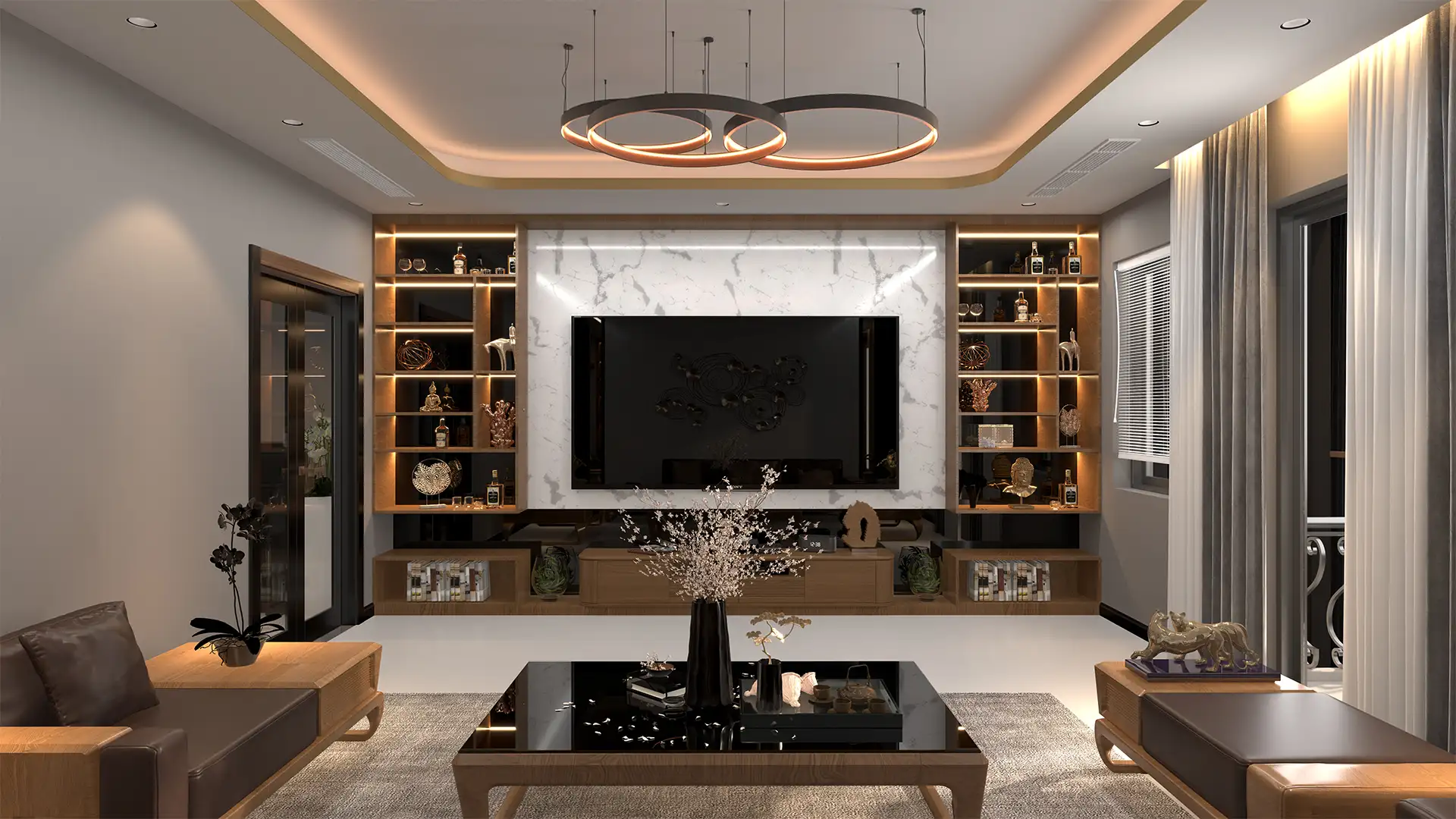
Your television is often the center of your living room, but the unit around it can make an even bigger difference. A thoughtfully designed TV unit doesn’t just hold your television—it enhances your interior, provides practical storage, and creates a polished focal point that reflects your personal style.
Choosing the right TV Unit Design can feel a bit overwhelming, honestly, because there are so many materials, layouts, colors, and styles out there today. The good news is you don’t have to be an interior designer to pick the right option. If you take a moment to look at your space, think about what you need to store, and figure out the vibe you want, you can go with a TV console that looks really nice and works perfectly for years.
Honestly, whether you’re decorating a tiny apartment or a big family home, this little guide will help you pick out a TV unit that matches your way of living and also somehow boosts the whole look of your living room.
Why TV Unit Design Matters
A TV unit is much more than furniture. It influences how your living room feels and functions every day.
A well-designed unit can:
- Keep cables neatly hidden
- Provide storage for electronics and accessories
- Display decorative items beautifully
- Improve room organization
- Enhance the overall interior style
- Make the television blend naturally with the décor
Instead of making your television look like an afterthought, the right design turns it into an intentional part of your home’s aesthetic.
TV Unit Design: How to Choose the Right Style
The perfect TV unit depends on several practical and visual factors. Rather than choosing based only on appearance, consider how the furniture will work within your space.
1. Measure Your Available Space
Start by measuring:
- Wall width
- Wall height
- Floor space
- TV dimensions
- Viewing distance
Avoid choosing a unit that’s either too large or too small for the room. A balanced proportion makes the space feel comfortable and visually appealing.
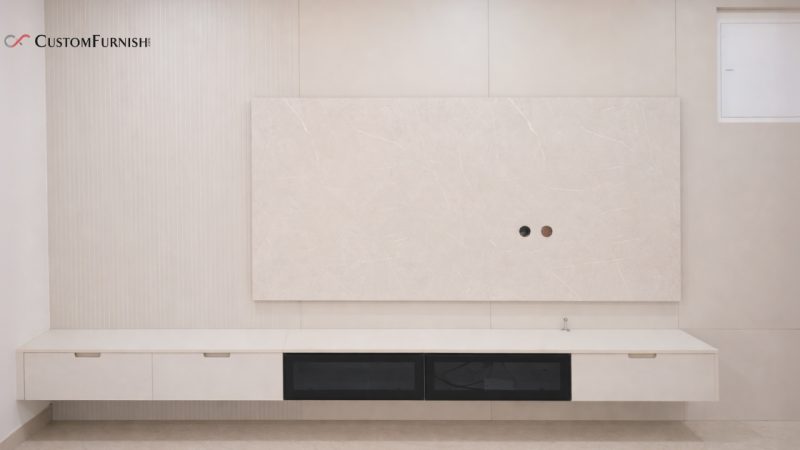
For smaller homes, floating units or wall-mounted designs often create a more open appearance.
- Match Your Interior Design Style
Your TV unit should complement the rest of your home.
Here are some popular styles:
Modern
- Clean lines
- Minimal decoration
- Neutral colours
- High-gloss or matte finishes
Perfect for contemporary homes.
Scandinavian
- Light wood finishes
- White cabinetry
- Simple functional design
- Warm natural textures
Ideal for bright, cozy interiors.
Traditional
- Rich wooden finishes
- Decorative mouldings
- Classic craftsmanship
Works beautifully in elegant family homes.
Industrial
- Black metal frames
- Wood textures
- Open shelving
- Raw finishes
Suitable for loft apartments and urban interiors.
Luxury
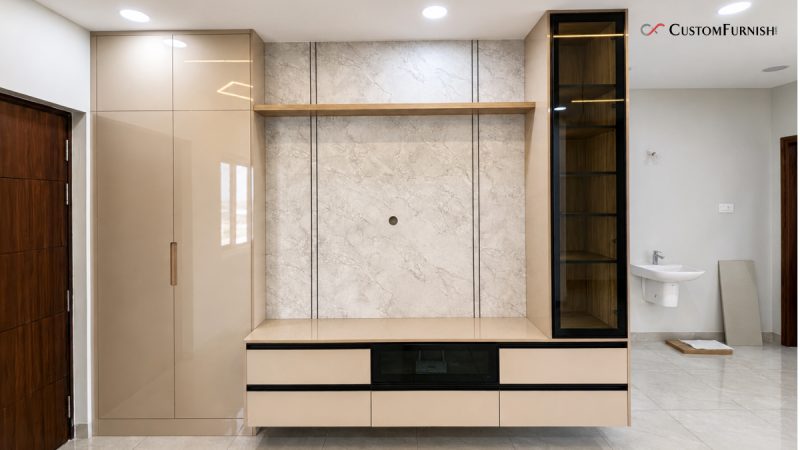
- Marble finishes
- Premium veneers
- Ambient LED lighting
- Sleek hardware
Creates a sophisticated living room focal point.
- Think About Storage Needs
Every household uses the living room differently.
Ask yourself:
- Do you own gaming consoles?
- Need space for Wi-Fi routers?
- Want storage for books?
- Display decorative pieces?
- Need closed cabinets for clutter?
Storage options include:
- Drawers
- Open shelves
- Glass cabinets
- Closed cupboards
- Floating storage boxes
Choosing storage based on daily habits helps maintain a tidy living room.
- Select the Right Material
Material affects both appearance and durability.
Common options include:
Engineered Wood
- Affordable
- Stylish
- Easy to maintain
- Suitable for most homes
Solid Wood
- Long-lasting
- Premium appearance
- Timeless appeal
MDF with Laminate
- Budget-friendly
- Wide colour choices
- Scratch-resistant
Glass and Metal
- Contemporary look
- Easy cleaning
- Best for minimalist interiors
To learn more about furniture materials and their durability, visit the Architectural Digest guide on modern home interiors.
- Choose the Right Colour
Colour influences how large or small your room feels.
For compact living rooms:
- White
- Beige
- Light oak
- Soft grey
For larger spaces:
- Walnut
- Dark wood
- Charcoal
- Black
Neutral colours generally stay fashionable longer and match changing décor trends.
- Consider Cable Management
Visible wires quickly make even an expensive TV unit look messy.
Look for units with:
- Hidden cable channels
- Back panel openings
- Wire organizers
- Concealed sockets
A clean setup instantly improves the appearance of the room.
- Lighting Makes a Difference
Many modern TV units now include integrated LED lighting.
Benefits include:
- Creates ambience
- Improves nighttime viewing
- Highlights decorative shelves
- Adds a premium appearance
Warm white LEDs generally work best for residential interiors.
Wall-Mounted vs Floor-Standing TV Units
Choosing between these two styles depends on your room layout.
Wall-Mounted Units
Advantages:
- Save floor space
- Modern appearance
- Easier cleaning
- Minimalist design
Best for:
- Apartments
- Small living rooms
- Contemporary interiors
Floor-Standing Units
Advantages:
- Larger storage
- Easy installation
- Flexible placement
- Suitable for heavier accessories
Best for:
- Large family homes
- Traditional interiors
- Entertainment systems
How to Match the TV Unit with Your Living Room
A TV unit should coordinate with existing furniture rather than compete with it.
Try matching:
- Coffee table finish
- Sofa colours
- Flooring material
- Wall paint
- Curtains
- Decorative accents
Consistency creates a balanced and professionally designed living space.
For additional inspiration, browse living room ideas from Houzz Living Room Designs, where you can explore real homes and layouts.
Common Mistakes People Make
Avoid these frequent design errors:
Choosing Style Over Function
A beautiful unit without enough storage quickly becomes frustrating.
Buying Without Measuring
Many homeowners purchase furniture based only on photos, leading to poor proportions.
Always measure first.
Ignoring Cable Planning
Messy wires can ruin an otherwise elegant design.
Using Too Many Colours
Mixing multiple finishes often creates visual clutter.
Stick with two or three complementary colours.
Forgetting Future Upgrades
Consider whether you’ll upgrade to a larger television later.
Choosing a slightly wider unit can save money in the future.
Pro / Expert Tips
Interior designers often recommend these practical ideas:
- Mount the TV at eye level for comfortable viewing.
- Leave breathing space around the television instead of filling every inch.
- Combine open and closed storage for both decoration and organization.
- Use decorative lighting to soften the entertainment area.
- Keep accessories minimal to avoid visual clutter.
- Choose timeless colours instead of following short-lived trends.
- Invest in quality hardware for drawers and cabinet doors to improve durability.
- Add indoor plants or artwork to balance the TV wall visually.
These small decisions often make the biggest difference in the finished room.
Frequently Asked Questions
What is the best TV unit design for small living rooms?
Floating or wall-mounted TV units are excellent choices because they save floor space and create a more open appearance.
Which material lasts the longest?
Solid wood generally offers the highest durability, while engineered wood provides an excellent balance between affordability and longevity.
Should the TV unit be wider than the television?
Yes. A TV unit should typically be wider than the television to create visual balance and provide extra space for décor or storage.
Are floating TV units strong enough?
Yes. When installed correctly on a suitable wall using proper hardware, floating units are highly secure and durable.
How do I choose the right colour?
Match the TV unit with your flooring, wall colour, and existing furniture. Neutral shades remain versatile and easier to style over time.
Conclusion
Choosing the perfect TV unit isn’t only about riding trends, it’s more like finding that sweet spot between style, usefulness, storage and comfort, at least for most people. When you pick a TV unit that’s considered and not rushed, your living room can end up looking smoother, less cluttered, and kind of warm and inviting, like it just makes sense.
Before you make that final call, take a quick measure of your available space, think about what you’re really gonna store, pick materials that are durable, and then choose a style that complements your home’s décor. Little things like cable management, lighting, and proportions can, honestly, boost the whole finished look more than you might expect.
With careful planning, the right TV unit design becomes more than furniture; it ends up as a lasting centerpiece that boosts both your day-to-day living experience and your home’s overall aesthetic too.