How to Choose the Best Kitchen Furniture for Your Home
Choosing the best kitchen furniture for your home is about more than selecting attractive cabinets and finishes. Your kitchen should support your daily cooking habits, provide enough storage, withstand regular use, and complement the overall design of your home. In Indian households, where cooking often involves spices, oil, heat, and frequent cleaning, choosing the right materials and furniture layout is especially important. Whether you live in a compact apartment or a spacious villa, the right kitchen furniture can make your space more organized, comfortable, and visually appealing. This guide explains how to select kitchen furniture based on your space, lifestyle, storage requirements, materials, and budget.
1. Understand Your Kitchen Space and Layout
Before choosing kitchen furniture, measure the available space and understand how you use your kitchen. Furniture that looks beautiful in a showroom may not work well if it blocks movement or leaves insufficient room for appliances. Consider these popular kitchen layouts:
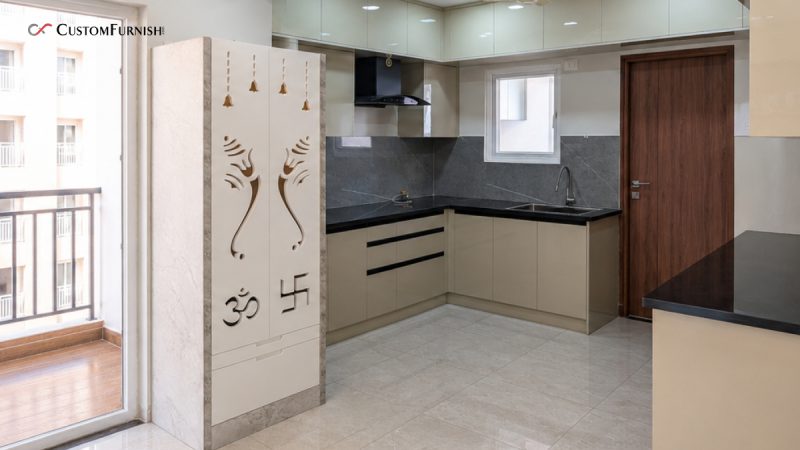
L-Shaped Kitchen
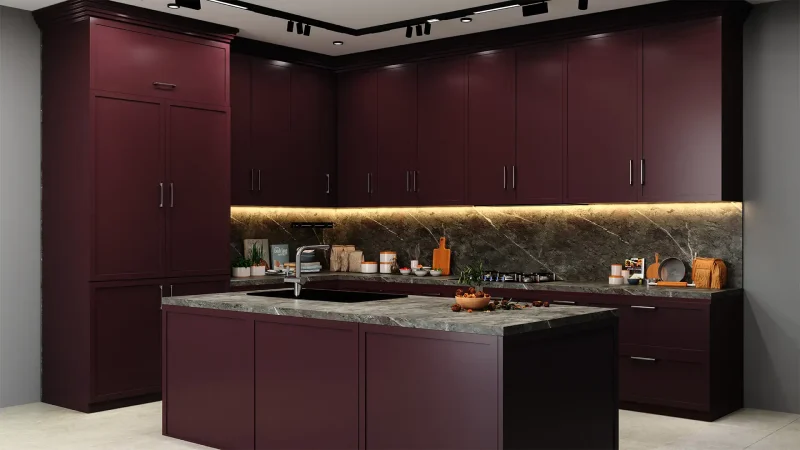
An L-shaped layout uses two adjoining walls and leaves the remaining area relatively open. It works well in many Indian apartments and provides space for cabinets, countertops, and essential appliances.
Parallel Kitchen
A parallel kitchen has two opposing counters. It is a practical choice for narrow spaces because it creates separate areas for preparation, cooking, and cleaning.
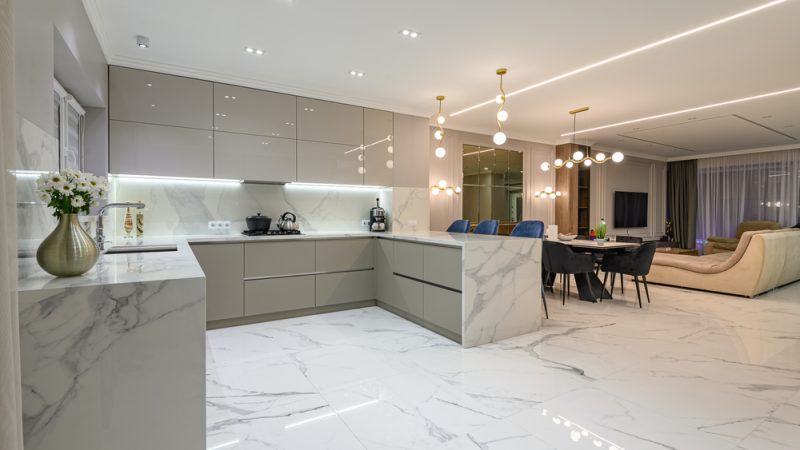
U-Shaped Kitchen
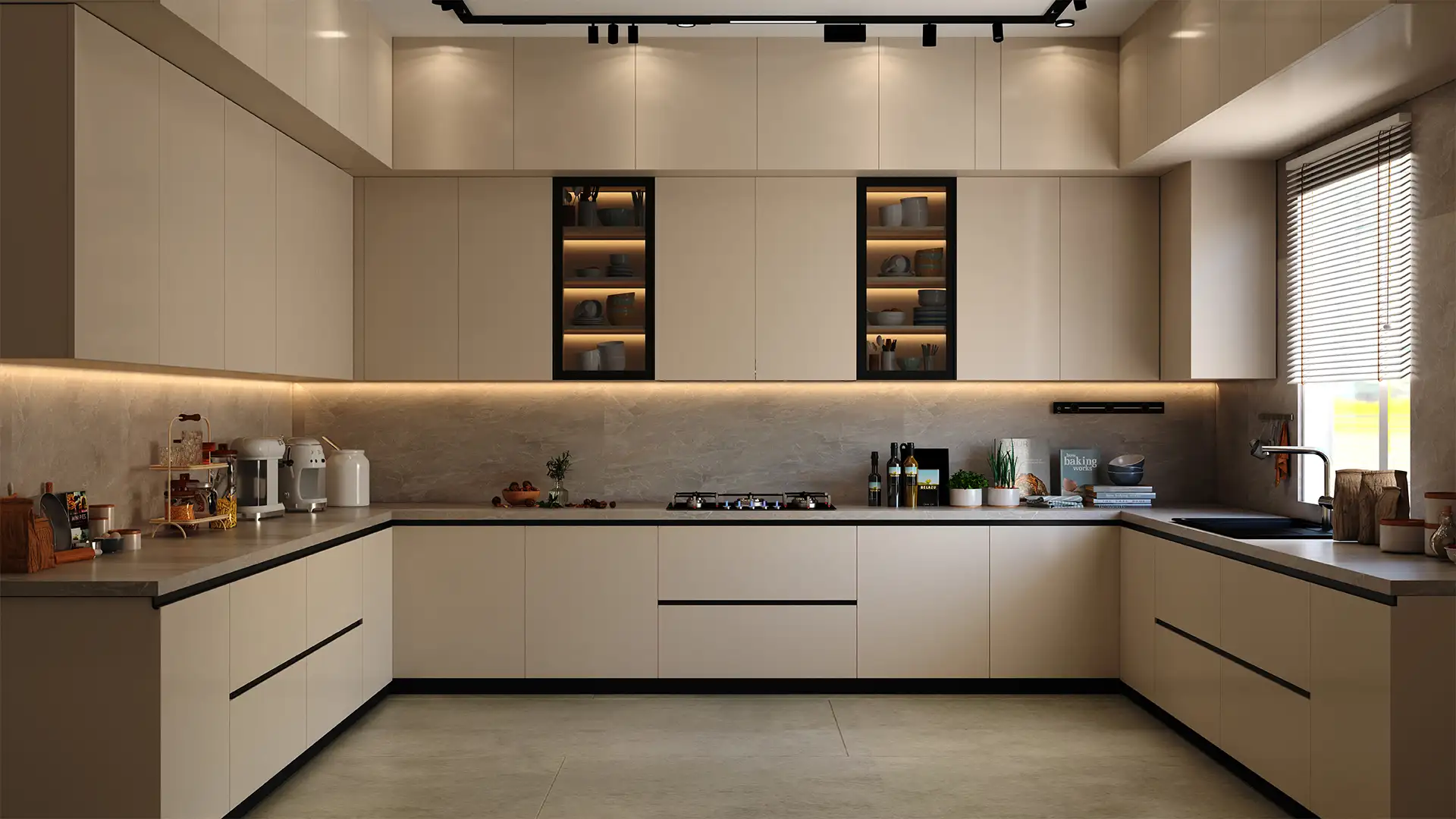
A U-shaped layout uses three sides of the kitchen to provide generous countertop and storage space. It can work well for families that cook frequently, provided there is enough room to move comfortably.
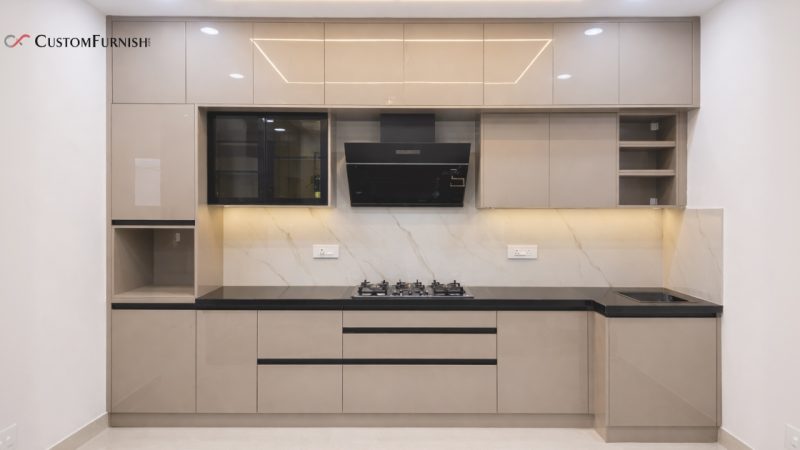
Straight Kitchen
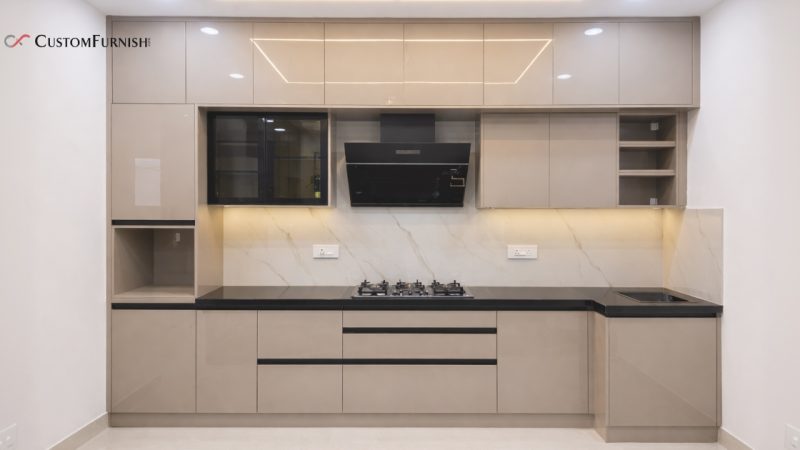
A straight kitchen places cabinets, appliances, and the countertop along one wall. It is suitable for studio apartments, compact homes, and kitchens with limited space. Choose a layout that allows you to move easily between the refrigerator, sink, and cooking area. Proper spacing makes everyday kitchen activities more convenient.
2. Choose Kitchen Furniture That Matches Your Cooking Habits
Every household uses its kitchen differently. A family that prepares several meals daily may need more countertop space, deep drawers, and dedicated storage for cookware. A household that cooks occasionally may prefer a simpler design with fewer storage accessories. Before finalizing your kitchen furniture, consider:
-
How many people regularly use the kitchen?
-
How much cookware, crockery, and groceries do you store?
-
Do you use large appliances such as a microwave, oven, mixer, or air fryer?
-
Do you need a separate space for breakfast preparation or serving?
-
Would you prefer open shelves, closed cabinets, or a combination of both? Answering these questions helps you choose furniture that serves your actual needs instead of adding features you may rarely use.
3. Select Durable Materials for Kitchen Cabinets
Kitchen cabinets are used every day and are regularly exposed to moisture, heat, and cleaning products. Choosing suitable materials is essential for maintaining their appearance and functionality.
Plywood
Plywood is commonly used in modular kitchen cabinetry. Depending on its grade and construction, it can offer good strength and durability. Moisture-resistant grades are worth considering for areas exposed to humidity or occasional splashes. However, the quality of the board, edge sealing, hardware, and installation also affects performance.
MDF and Other Engineered Boards
MDF and other engineered wood products can be suitable for certain cabinet applications and finishes. Their suitability depends on the specific product, its moisture resistance, and where it will be installed.
Laminates
Laminates are popular for kitchen shutters because they are available in numerous colours, textures, and patterns. They can be a practical choice for homeowners who want a stylish finish that is relatively easy to maintain.
Acrylic and Other Premium Finishes
Acrylic finishes can create a smooth, contemporary appearance, while textured and matte finishes can give cabinets a more understated look. Compare scratch visibility, cleaning requirements, durability, and maintenance before selecting a finish. For a more detailed material guide, read Waterproof Plywood for Kitchens: Complete Buying Guide.
4. Prioritize Smart Storage Solutions
Good kitchen furniture makes it easy to find what you need without overcrowding the countertops. Instead of simply adding more cabinets, focus on making the available storage more useful. Consider these practical options:
-
Deep drawers: Store pots, pans, pressure cookers, and other heavy cookware where they are easy to reach.
-
Pull-out pantry units: Organize groceries, bottles, and packaged ingredients in narrow spaces.
-
Corner storage units: Make difficult-to-access corners more usable.
-
Cutlery organizers: Keep spoons, knives, and cooking tools separated.
-
Tall cabinets: Use vertical space for groceries and appliances.
-
Under-sink storage: Organize cleaning supplies while leaving adequate space for plumbing and maintenance.
-
Dedicated appliance cabinets: Keep frequently used appliances accessible without filling the countertop. Think about what you use daily and what you use occasionally. Everyday items should be easy to reach, while seasonal cookware and less frequently used appliances can be stored in higher cabinets. You can explore more ideas in this guide to Essential Storage Hacks for an Organized Modular Kitchen.
5. Choose the Right Kitchen Shutters, Drawers, and Hardware
Kitchen shutters and drawers affect both the appearance and usability of your furniture. The best choice depends on the cabinet location, available space, and items you plan to store. Drawers are useful for cookware, utensils, and frequently used ingredients because they allow you to see and access the contents easily. Shutter cabinets can work well for overhead storage, tall units, and areas designed for larger appliances. When selecting hardware, look for:
-
Smooth drawer runners and hinges.
-
Soft-close mechanisms where appropriate.
-
Handles that are comfortable to grip, or handleless designs that suit your preferences.
-
Hardware suited to the expected load and frequency of use.
-
Components that can be serviced or replaced when required. Good-quality hardware can improve the daily experience of using your kitchen. It is worth evaluating alongside cabinet materials and finishes rather than treating it as a minor detail.
6. Select a Kitchen Countertop That Suits Indian Cooking
The countertop is one of the most frequently used parts of a kitchen. It should provide sufficient preparation space and suit your cooking style. Granite is a popular option for its durability and heat resistance. Quartz offers a consistent appearance and relatively low maintenance, although it still requires care around hot cookware. Marble provides a distinctive natural look but can stain or scratch more easily and generally needs more maintenance. When comparing countertop materials, consider:
-
Resistance to stains from oil, turmeric, and other ingredients.
-
Heat and scratch resistance.
-
Cleaning and maintenance requirements.
-
Colour and pattern compatibility with the cabinets.
-
Installation quality and the treatment of joints and edges. Also ensure that the countertop height and depth are comfortable for the people who regularly prepare food in your home.
7. Select Colours and Finishes That Suit Your Home
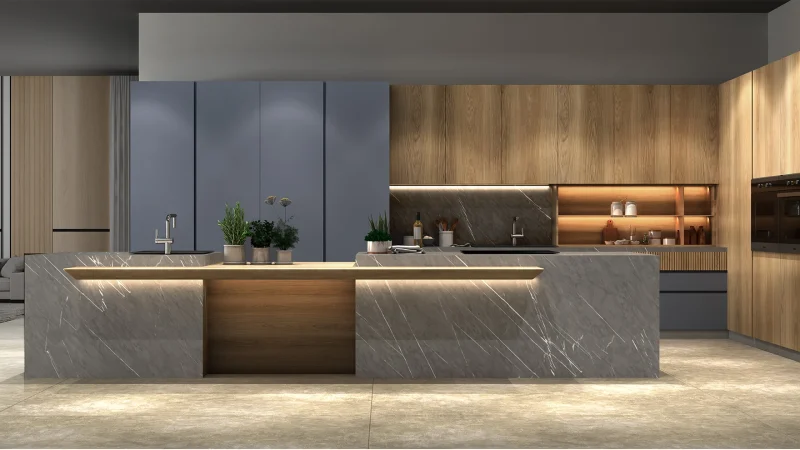
Kitchen furniture should complement your flooring, wall colours, lighting, and adjoining living or dining spaces. The right colour combination can make the kitchen feel brighter, warmer, or more sophisticated. Here are a few combinations to consider:
-
White and natural wood: Creates a bright, warm, timeless appearance.
-
Beige and walnut: Adds warmth and a refined look.
-
Grey and white: Works well for a clean, contemporary design.
-
Olive green and wood: Brings a natural, distinctive feel to the kitchen.
-
Navy blue and light neutral shades: Creates contrast without making every surface visually heavy. In compact kitchens, lighter colours can help the space feel more open, especially when combined with good lighting. Darker finishes can also work beautifully when the layout, lighting, and surrounding colours are planned carefully. Choose finishes that fit your lifestyle, too. Glossy surfaces may show fingerprints and smudges more clearly in some settings, while textured or matte finishes may have their own cleaning requirements.
8. Plan Lighting and Appliance Placement
Even well-designed kitchen furniture can become inconvenient if appliances and lighting are poorly positioned. Plan appliance locations before finalizing cabinet dimensions. Ensure there is adequate space for the refrigerator, microwave, oven, chimney, and other appliances you intend to use. Confirm electrical points, ventilation requirements, and access for future repairs before installation. Kitchen lighting should support both visibility and ambience. General ceiling lights illuminate the room, while task lighting under overhead cabinets can make food preparation easier. Decorative lighting can be added where suitable, but it should not interfere with cooking or cleaning. For broader planning guidance, refer to the National Kitchen & Bath Association’s kitchen planning resources.
9. Set a Budget Without Compromising Essential Quality
Kitchen furniture costs vary according to the kitchen size, materials, hardware, finishes, accessories, and installation requirements. Establishing a budget early helps you prioritize the features that matter most. A practical approach is to:
-
Finalize essential storage and appliance requirements first.
-
Compare the specifications of materials rather than relying only on appearance.
-
Invest in dependable hinges, drawer runners, and frequently used components.
-
Choose decorative upgrades selectively.
-
Ask for a clear quotation that explains what is included and excluded.
-
Confirm the warranty, maintenance requirements, installation scope, and service terms. Avoid comparing quotations solely by their final price. Two kitchens may look similar but use different materials, hardware, and construction methods. Understanding those differences helps you make a more informed decision.
10. Consider Modular Kitchen Furniture
Modular kitchen furniture is made from individual units that are designed to fit together in a planned layout. Depending on the design, these units can include base cabinets, overhead cabinets, drawers, tall storage, and dedicated appliance spaces. One advantage of modular furniture is the ability to plan storage around the available space and the homeowner’s requirements. Factory manufacturing can also support consistent sizing and finishing when materials, production processes, and installation are properly managed. Before selecting a modular kitchen provider, review its material specifications, design process, installation arrangements, warranty, and after-sales support. Ask how measurements are verified and how the team handles changes or issues during installation. A well-planned modular kitchen should balance appearance, accessibility, durability, and ease of maintenance.
Common Mistakes to Avoid When Choosing Kitchen Furniture
Keep these points in mind before finalizing your design:
-
Choosing cabinets based only on appearance.
-
Ignoring storage needs and everyday cooking habits.
-
Selecting materials without checking their suitability for kitchen conditions.
-
Leaving insufficient space for appliances and cabinet doors.
-
Overlooking ventilation, lighting, and electrical planning.
-
Filling the kitchen with accessories that are not useful for your routine.
-
Failing to confirm installation details, warranty terms, and maintenance requirements. Taking time to review these details before production can help prevent avoidable inconvenience later.
Frequently Asked Questions
1. Which kitchen furniture is best for Indian homes?
The best option depends on your cooking habits, available space, storage requirements, and maintenance preferences. Durable cabinet materials, practical drawers, suitable countertops, and well-planned layouts are important for most Indian households.
2. Which material is best for kitchen cabinets?
There is no single material that is ideal for every kitchen. Moisture-resistant plywood and suitable engineered boards can work well when selected for the right application and installed correctly. Compare the material specifications, finish, and expected maintenance.
3. Which kitchen furniture is suitable for small homes?
Straight, L-shaped, and parallel kitchens can work well in compact homes, depending on the room dimensions. Tall cabinets, pull-out storage, drawer organizers, and light-coloured finishes can help make the available space more practical.
4. Are drawers better than shutters for kitchen cabinets?
Drawers are convenient for cookware and smaller items that need to remain accessible. Shutters are useful for overhead cabinets, tall storage, and some appliance units. Combining both often provides a practical result.
5. How can I make my kitchen furniture last longer?
Use materials suitable for the kitchen environment, ensure edges and exposed areas are properly finished, clean spills promptly, avoid harsh cleaning products unless recommended, and address leaks quickly. Regularly check hinges, runners, and other hardware.
Conclusion
Choosing the best kitchen furniture for your home starts with understanding how you cook, how much storage you need, and how the available space can be used effectively. The right cabinet materials, countertop, hardware, colours, and lighting all contribute to a kitchen that is attractive and practical. Instead of focusing only on trends, choose furniture that suits your daily routine and is designed for long-term use. With careful planning and suitable materials, you can create a kitchen that feels organized, comfortable, and genuinely suited to your home. If you are planning a new kitchen or upgrading your existing space, explore the kitchen design options available at CustomFurnish and discuss your requirements with an interior design team.