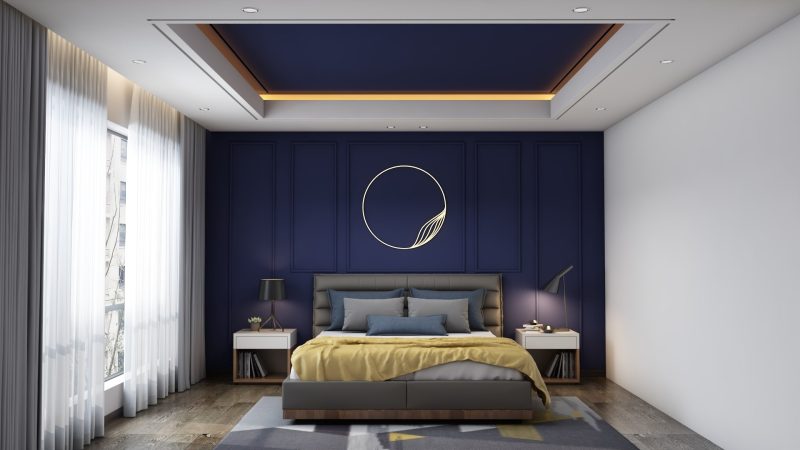
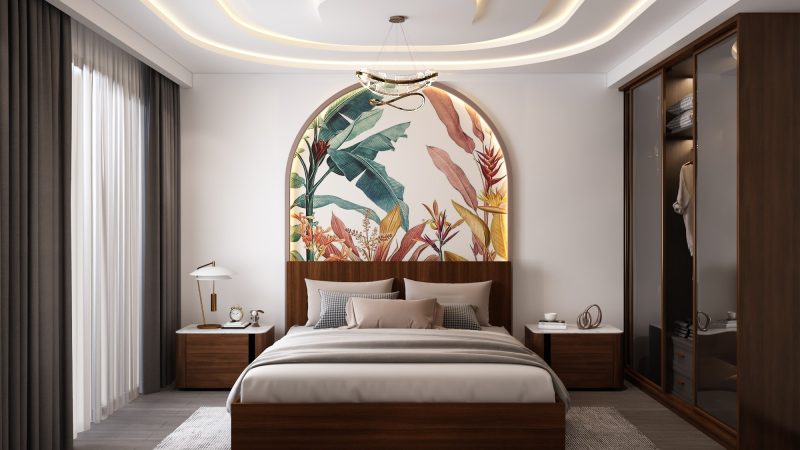
Modern Bedroom Design Mistakes Homeowners Should Avoid
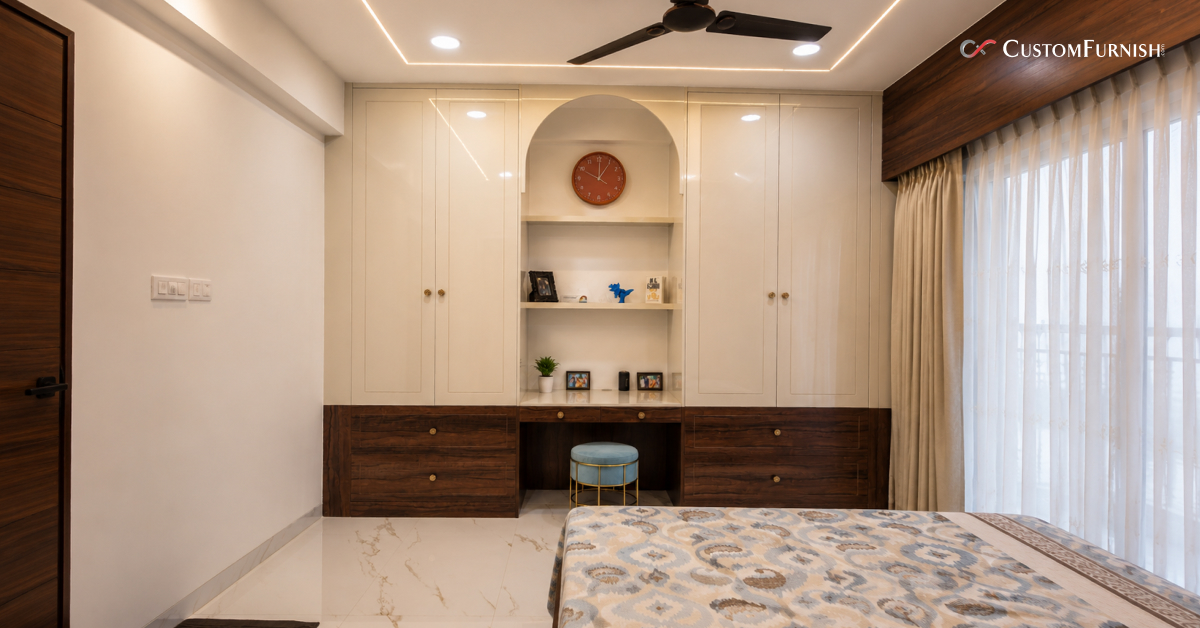
Your bedroom should feel comfortable, relaxing, and functional. But many homeowners unknowingly make design mistakes that affect both the look and usability of the space. From poor lighting choices to overcrowded furniture layouts, even small errors can make a bedroom feel cramped, uncomfortable, or visually unbalanced.
If you’re planning a makeover or designing a new space, understanding common bedroom interior design mistakes to avoid can help you create a room that feels stylish, practical, and peaceful for years to come.
Why Bedroom Design Matters More Than You Think
A bedroom is more than just a place to sleep. It’s where you relax after a long day, recharge mentally, and spend quiet personal time. Poor design decisions can affect comfort, storage, lighting, sleep quality, and even mood.
Good bedroom interiors should combine:
- Comfort
- Functionality
- Proper space planning
- Lighting balance
- Smart storage
- Personal style
When these elements are ignored, the room may look attractive initially but become frustrating to use daily.
Bedroom Interior Design Mistakes to Avoid
Ignoring the Room Layout
One of the biggest mistakes people make is placing furniture without considering movement and spacing.
Many bedrooms end up feeling crowded because oversized beds, wardrobes, or side tables block natural walking space.
What Happens:
- Tight pathways
- Difficult movement
- Poor visual balance
- Less ventilation
Better Approach:
- Measure the room before buying furniture
- Keep at least 2–3 feet of walking space around the bed
- Avoid pushing too many pieces into one room
- Use wall-mounted storage where possible
A well-planned layout instantly makes even small bedrooms feel spacious.
Choosing the Wrong Bed Size
People often choose beds based on appearance instead of room size.
A king-size bed may look luxurious in a showroom, but in a compact bedroom, it can dominate the entire space.
Common Issues:
- No room for side tables
- Difficult movement
- Cluttered appearance
- Reduced functionality
Expert Tip:
Choose furniture proportional to the room dimensions.
For smaller bedrooms:
- Queen-size beds usually work best
- Consider storage beds for extra utility
- Avoid bulky headboards
For larger bedrooms:
- Upholstered or statement beds work beautifully
- Add seating corners for balance
Poor Lighting Planning
Lighting is one of the most overlooked elements in bedroom design.
Many homes rely only on a single ceiling light, which creates harsh shadows and makes the room feel flat.
A Better Lighting Strategy Includes:
Ambient Lighting
Main ceiling lights for overall brightness
Task Lighting
Reading lamps or bedside pendant lights
Accent Lighting
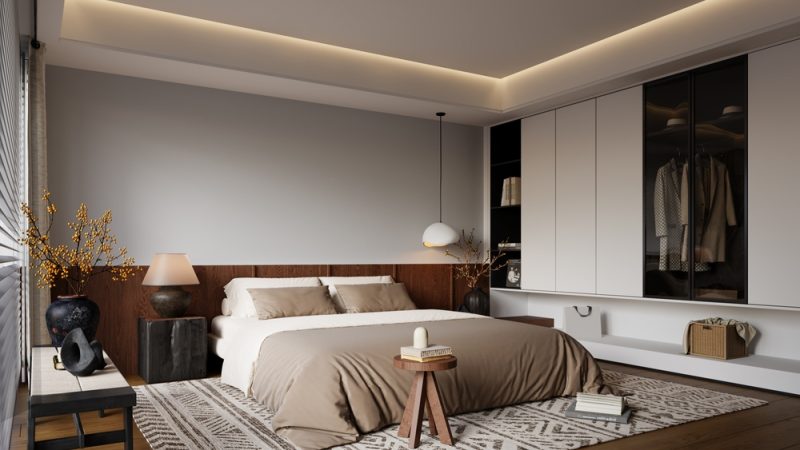
LED strips, cove lights, or wall sconces for mood
Common Lighting Mistakes:
- Extremely bright white lights
- No bedside lighting
- Uneven lighting distribution
- Ignoring natural light
Warm lighting creates a calm and relaxing atmosphere, especially in bedrooms.
Overdecorating the Bedroom
Too many décor items can make the room feel visually heavy.
A bedroom should feel calm, not overwhelming.
Common Overdecorating Mistakes:
- Excessive wall art
- Too many cushions
- Overuse of textures
- Large decorative furniture
- Clashing color combinations
Minimal, intentional styling works better in bedrooms.
Try This Instead:
- Choose one focal wall
- Use neutral tones with subtle accents
- Keep surfaces clutter-free
- Add greenery for freshness
Simple spaces often feel more luxurious and relaxing.
Ignoring Storage Requirements
A beautiful bedroom quickly becomes messy if storage planning is poor.
Many people underestimate how much storage they actually need.
Common Problems:
- Clothes overflowing
- Cluttered corners
- Lack of organization
- Visible daily-use items
Smart Storage Solutions:
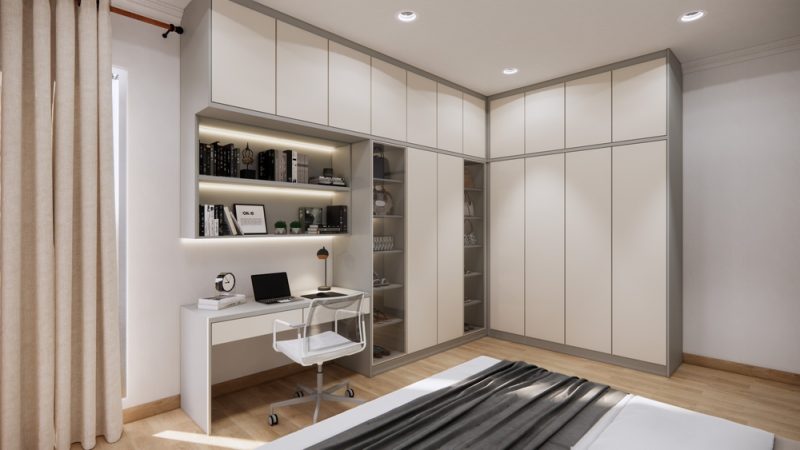
- Floor-to-ceiling wardrobes
- Hydraulic storage beds
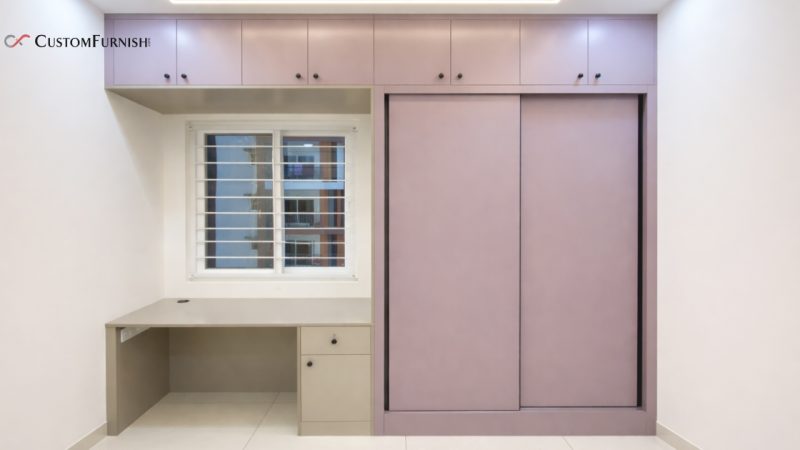
- Sliding wardrobe doors
- Floating shelves
- Hidden storage benches
Good storage keeps the bedroom visually clean and functional.
Choosing Style Over Comfort
Trendy interiors may look impressive online, but comfort should always come first in bedroom design.
Mistakes People Make:
- Hard headboards
- Uncomfortable chairs
- Heavy curtains are blocking ventilation
- Decorative pillows that are impractical
Your bedroom should support daily comfort, not just aesthetics.
Prioritize:
- Comfortable mattresses
- Breathable fabrics
- Easy-to-maintain finishes
- Functional furniture
Design trends change, but comfort remains important forever.
Using the Wrong Colors
Color psychology plays a huge role in bedroom interiors.
Bright or overly stimulating colors can make the space feel stressful instead of calming.
Avoid:
- Extremely dark walls in small rooms
- Neon shades
- Too many contrasting colors
Recommended Bedroom Colors:
- Warm beige
- Soft grey
- Sage green
- Dusty blue
- Off-white
- Earthy tones
These shades create a peaceful environment and improve visual comfort.
Blocking Natural Light
Natural light makes a bedroom feel fresh, healthy, and spacious.
Unfortunately, many people block windows with:
- Heavy curtains
- Large wardrobes
- Dark blinds
- Oversized furniture
Better Alternatives:
- Sheer curtains
- Light-filtering blinds
- Mirrors to reflect light
- Strategic furniture placement
Natural light also enhances the appearance of colors and materials inside the room.
Forgetting Electrical Planning
Electrical mistakes become frustrating after the room is completed.
Common Issues:
- No charging points near the bed
- Insufficient switchboards
- Poor fan placement
- No provision for lamps or TV units
Expert Recommendation:
Plan electrical points before finalizing furniture layout.
Include:
- Bedside charging ports
- Lighting controls near the bed
- Hidden wiring
- Extra plug points for future needs
Good planning improves long-term convenience.
Buying Everything at Once
Many homeowners rush to complete the bedroom quickly and purchase all furniture and décor items together.
This often leads to:
- Mismatched styling
- Impulsive purchases
- Overcrowded rooms
- Budget overruns
Better Strategy:
Build the room gradually.
Start with:
- Bed
- Wardrobe
- Lighting
- Curtains
- Accessories and décor
This approach helps maintain visual harmony and budget control.
Common Bedroom Design Mistakes Homeowners Make
Here are some real-life mistakes frequently seen in modern homes:
Common Errors:
- Placing mirrors directly opposite the bed without planning
- Choosing glossy finishes that show fingerprints easily
- Ignoring ventilation
- Using too many dark colors in compact rooms
- Selecting trendy designs without considering maintenance
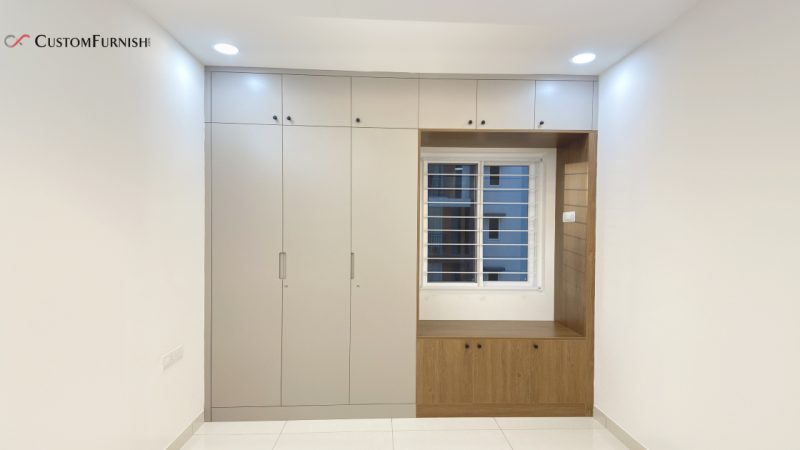
- Installing wardrobes that block window openings
- Using oversized rugs in small bedrooms
Avoiding these simple mistakes can significantly improve both aesthetics and usability.
Pro Tips From Interior Design Experts
Professional designers focus heavily on balance, comfort, and practicality.
Expert Tips for Better Bedroom Interiors
Keep the Layout Simple
Avoid unnecessary furniture pieces.
Use Vertical Space
Tall wardrobes and wall shelves save floor area.
Add Texture Carefully
Use combinations of wood, fabric, and soft lighting for warmth.
Focus on Symmetry
Balanced bedside tables and lighting create visual harmony.
Invest in Quality Materials
Good laminates, hinges, fabrics, and mattresses improve durability.
Maintain a Consistent Theme
Stick to one design direction:
- Modern
- Minimal
- Contemporary
- Luxury
- Scandinavian
Consistency creates a polished look.
How to Create a Balanced Bedroom Interior
A well-designed bedroom usually follows a simple formula:
Function + Comfort + Aesthetics
When all three elements work together, the space feels complete.
Key Things to Remember:
- Prioritize movement space
- Layer lighting properly
- Avoid visual clutter
- Plan storage early
- Use calming colors
- Focus on long-term comfort
Good design is not about filling the room with expensive items. It’s about creating a space that feels peaceful and practical every day.
FAQs
What is the biggest mistake in bedroom interior design?
Poor space planning is one of the biggest mistakes. Oversized furniture and cluttered layouts make bedrooms feel uncomfortable and cramped.
Which color is best for bedroom interiors?
Soft and calming shades like beige, grey, sage green, dusty blue, and warm white work best for bedrooms.
How can I make a small bedroom look bigger?
Use light colors, mirrors, smart storage, minimal furniture, and proper lighting to create a spacious feel.
Should bedrooms have warm or cool lighting?
Warm lighting is usually better for bedrooms because it creates a relaxing and cozy atmosphere.
How much furniture is ideal for a bedroom?
Only include essential furniture:
- Bed
- Wardrobe
- Side tables
- Optional dresser or seating
Avoid overcrowding the space.
Conclusion
Designing a beautiful bedroom is not just about following trends. It’s about creating a space that feels relaxing, functional, and comfortable every single day.
By understanding these bedroom interior design mistakes to avoid, homeowners can make smarter design choices and prevent costly errors later. Small improvements in layout, lighting, storage, and color selection can completely transform how a bedroom looks and feels.
Whether you’re renovating your current room or planning a new interior setup, thoughtful planning always delivers better results than rushing into design decisions. Focus on comfort, balance, and practicality — and your bedroom will become a space you truly enjoy spending time in.